Bermondsey Wharf loading tips for Borough removals
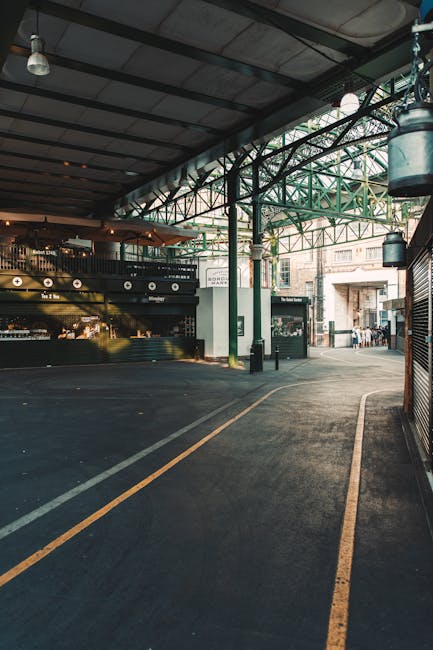
If you are planning a move around Bermondsey Wharf, the loading side of the job can make or break the day. Streets can be tight, access can be awkward, and a van that is parked a few metres too far away suddenly turns a tidy removal into a slow shuffle of boxes, beds, and frustration. These Bermondsey Wharf loading tips for Borough removals are here to help you avoid that. They are practical, local, and based on the sort of real-world details people only notice once they are already standing on the pavement with a sofa half out the door.
In plain English, the aim is simple: load safely, park sensibly, avoid delays, and keep the move moving. That might sound obvious, but in Borough, the difference between a smooth handover and a stressful morning is usually in the planning. This guide breaks down how loading works, what to watch for near Bermondsey Wharf, which mistakes cost time, and how to make the process easier whether you are moving a studio flat, family home, or a small office. Truth be told, a good loading plan saves more energy than most people expect.
Why Bermondsey Wharf loading tips for Borough removals Matters
Bermondsey Wharf sits in an area where access can be a little more demanding than people first assume. That is not a criticism; it is just London. There are junctions, busier periods, resident bays, occasional suspension notices, and the usual dance of pedestrians, cyclists, delivery vans, and people trying to get on with their day. If your removals vehicle cannot get close enough, the job slows down quickly.
Good loading advice matters because it reduces the two big problems that create stress on moving day: distance and delay. Distance means carrying heavier items further than planned. Delay means everyone is waiting while someone double-checks parking or walks back and forth. Neither sounds dramatic, but both can wear people down. By the afternoon, even a short move can feel like a marathon if loading has not been thought through properly.
There is also a money angle. Poor access planning can add extra labour time, cause more van movements, or create a need for a second trip. For smaller Borough moves, that can be the difference between staying close to budget and quietly overspending because of avoidable time loss. If you have ever moved on a wet weekday morning while a truck is idling outside and the lift is busy, you will know the feeling.
For many customers, the real issue is not the packing itself. It is getting everything from the front door to the vehicle in a clean, efficient flow. That is why loading tips matter so much for Bermondsey Wharf and wider Borough removals. They help you think about the move as a sequence, not just a pile of boxes and a van.
How Bermondsey Wharf loading tips for Borough removals Works
The loading process is essentially a chain of decisions. First, you identify where the vehicle can safely stop. Then you think about how far items must travel from the property to the van. After that comes the order of loading, the protection of furniture, and the timing of the move. Simple on paper. Slightly messier in real life, as anyone who has wrestled a wardrobe round a narrow stairwell knows.
A well-planned loading approach usually starts before move day. You review access details, check for likely bottlenecks, and decide whether you need a smaller vehicle, more hands, or a different start time. In Bermondsey Wharf, the practical question is often not "Can the van get there?" but "Can it stop close enough for long enough?" That distinction matters more than people think.
From there, loading should follow a sensible sequence. Bulky and sturdy items go in first. Softer, lighter, or more delicate pieces go in later, once the shape of the load is established. Removal blankets, straps, and trolleys are part of the method, not optional extras. They protect the items and help the team work without constantly rearranging the van. If a move feels chaotic, it is usually because the load plan was made on the hoof rather than in advance.
For Borough removals, good loading also means accounting for local conditions: one-way streets, pedestrian activity, temporary roadworks, and the general unpredictability of central London traffic. There is no magic trick. There is just calm planning, a realistic schedule, and a willingness to adapt when the street does something annoying, which it sometimes will.
Key Benefits and Practical Advantages
The biggest benefit is usually time. When loading is organised, the whole move tends to feel smoother. That sounds obvious, but time is what people notice first when things go wrong. A few extra minutes here and there can turn into a full hour by the end of the day. Efficient loading keeps the pace up and helps everyone stay focused.
There is also a safety benefit. Carrying heavy items over shorter distances reduces the chance of trips, slips, and awkward lifts. That matters for the team and for your belongings. You do not want a dining table scraping along a narrow pavement edge because the vehicle was parked too far away, or someone twisting under load because they were rushing to beat a parking timeout.
Another advantage is better control over fragile or awkward items. A move involving mirrors, TVs, framed art, bed frames, or dismantled furniture needs space and order. If you have a tidy loading plan, these items can be positioned properly rather than forced into gaps at the last minute. The van becomes a space that works with you, not against you.
There is a quieter benefit too: peace of mind. A move near Bermondsey Wharf often comes with enough variables already. Knowing the loading side is under control gives you one less thing to worry about. And on moving day, one less thing can be a big deal.
Who This Is For and When It Makes Sense
These loading tips are useful for a wide range of people, but they are especially relevant if you are moving in or around SE1, where access can change from street to street. If you live in a flat, a converted warehouse, a riverside apartment, or a small business unit, you will probably feel the pressure of loading more than someone moving from a house with a driveway. That is just how the geography works.
They are also useful if you have awkward furniture, limited lift access, or a tight time window. For example, if the lease handover is at noon and the van cannot loiter outside for long, every small delay becomes more expensive. A move that might be straightforward elsewhere can become a bit of a juggling act here.
Small office moves, shared flats, and same-day removals all benefit from this approach too. In fact, when time is tight, loading discipline matters even more. You cannot afford to be casual. You need a plan, and you need everyone on the same page.
If you are comparing providers, look for a team that talks naturally about access, vehicle size, loading order, and timing rather than just price. A lower quote can be tempting, of course, but if it ignores the loading reality in Borough, it may not be the bargain it looks like.
Step-by-Step Guidance
Here is a practical way to approach loading for a Bermondsey Wharf move. It is not complicated, but it does need a bit of care. Rushing this part is usually where the headaches begin.
- Check the access first. Walk the route from the property to the road. Notice steps, narrow turns, lift sizes, low ceilings, and any points where a trolley might struggle. If you see a pinch point, assume it will matter later. It probably will.
- Confirm where the vehicle can stop. Do not assume the closest space will be available. Think about loading bay access, residents' restrictions, and whether the van will need a short walk from parking to door. If you are unsure, build in a buffer.
- Declutter before you pack. The fewer unnecessary items you move, the less time loading takes. That may sound almost too obvious, but people still end up moving old storage boxes, broken lamps, and "just in case" items. Moving fewer things is often the simplest win.
- Pack by room and priority. Label boxes clearly and group them so the first items needed at the new place are easy to identify. A little label on the side is far more useful than a cryptic note on top that gets hidden under tape.
- Load the heaviest items first. Mattresses, white goods, chests of drawers, and heavier furniture usually go in before lighter boxes. This creates a stable base and helps prevent shifting while driving.
- Use protection and restraint. Blankets, covers, straps, and corner protection help reduce damage. A good load should stay put while the van moves over bumps, turns, and the occasional impatient brake tap.
- Keep essentials to one side. Important documents, keys, chargers, medication, and a kettle box should not disappear into the back of the van. Put them somewhere you can reach quickly. You will thank yourself later.
- Do a final sweep before departure. Check cupboards, under beds, storage spaces, and behind doors. Most moves are delayed by something small and forgotten, not the big obvious furniture.
A simple habit helps here: think of the load as a puzzle, not a pile. Once you do that, the decisions become easier. Not always easy, but easier.
Expert Tips for Better Results
One of the best things you can do is plan the loading order in advance rather than on the pavement. In our experience, a five-minute chat before move day often saves twenty minutes of awkward lifting later. That is a decent trade.
Use clear labels on boxes and, where possible, group items by destination room. This matters especially if your new place has stairs or split-level access. Nobody wants to ask, "Where does this go?" fifteen times while standing in a corridor with a tape roll in one hand and a sofa cushion under the other arm.
Try to move the lightest, least stable items last only if they are well packed. Soft bags and loose boxes can be awkward if they go in too early because they get crushed. A little discipline with sequencing makes the load much more secure.
Keep a small kit with you rather than in the main load. Tape, scissors, marker pens, bin bags, cloths, and a basic charger can save a surprising amount of faff. It is not glamorous, but then moving house rarely is. A roll of tape can become a minor hero very quickly.
Another good habit is to assign one person to loading direction if several people are involved. Too many voices slow things down. One person calling the sequence, another handling the door, and another moving items is usually enough. Any more and the whole thing can turn into a slightly chaotic group project.
If the weather looks poor, protect your entry route as well as the items. Wet boots, slick stairs, and cardboard do not mix especially well. A damp morning in London can be enough to change the tempo of a move, so have towels or mats ready if needed.
Common Mistakes to Avoid
One common mistake is underestimating how far the van will be from the door. A few metres may not sound like much, but it compounds when you are carrying wardrobes, bed bases, boxes of books, and a couple of awkward plants that somehow survived the rest of the week.
Another is assuming the largest vehicle is always the best choice. Bigger is not automatically better in Borough. A larger van may be harder to park, harder to position, and slower to load if the street is tight. Sometimes a well-placed smaller van is the smarter call.
People also forget how often access changes during the day. A space that looks open in the morning may be occupied by noon. A route that was clear on a recce might be blocked by delivery activity later. That is why timing matters, and why a flexible plan is worth having.
Overpacking boxes is another classic. Heavy boxes may seem efficient until they split or become too awkward to lift safely. Books, for example, are notorious for this. One fully packed book box can feel like a small engine block by the time you carry it downstairs.
Then there is the "we'll sort it when we get there" approach. It sounds calm, but it usually just pushes the stress into the van. A move goes better when each item has a place before it leaves the property.
Tools, Resources and Recommendations
You do not need specialist kit for every move, but a few basic tools make loading far easier. A sturdy trolley or sack truck helps with heavier items. Removal blankets reduce scuffs. Ratchet straps or load straps keep the contents stable in transit. Box tape, labels, and marker pens keep the packing side under control.
For larger or more complex moves, a professional removals team can bring the right mix of experience and equipment. If your move is part home, part storage, or part office, it can be worth using a provider that handles broader logistics as well as simple transport. If you need extra support, the pages for removal services, home moves, and man and van are useful starting points for understanding the available options.
For furniture-heavy jobs, it may also help to look at furniture pick up support or a more flexible moving van arrangement. If you are comparing ways to keep costs in check, the company's pricing and quotes page can help you get a clearer sense of what affects the final figure. And if you need broader planning advice, removals near me is a handy way to explore local options without overcomplicating things.
For people moving within central London, support pages like packing and unpacking services can also be worth a look if time is tight. To be fair, sometimes paying for help with the fiddly parts is easier than trying to do everything after work with only half your energy left.
Law, Compliance, Standards, or Best Practice
Loading in Bermondsey Wharf and Borough is not just about convenience; it is also about sensible compliance and good practice. Parking restrictions, loading bays, time limits, suspension notices, and local access rules may all affect what you can do and for how long. Exact arrangements can vary, so it is worth checking the latest local guidance before moving day rather than assuming last month's situation still applies.
If you are arranging a move with a professional company, ask how they handle parking, loading safety, and vehicle positioning. A reputable team should be comfortable discussing these points. They should also be clear about insurance, item handling, and what happens if access changes at short notice. Those conversations are not fussy; they are sensible.
Health and safety should also be taken seriously. Safe lifting, clear walkways, and sensible use of equipment matter for everyone involved. If you want a better sense of the company's approach, you can review health and safety policy and insurance and safety. Those pages help show whether the team is thinking beyond the price tag, which is often a good sign.
For environmentally minded moves, it is also worth keeping an eye on reuse and disposal choices. Not everything needs to go in the van. Some items may be better handled through reuse, recycling, or responsible disposal. If that matters to you, recycling and sustainability is a useful page to review.
Best practice, in simple terms, means safe lifting, proper loading, clear communication, and realistic planning. Nothing flashy. Just the basics done well.
Options, Methods, or Comparison Table
Different moves need different loading methods. The best choice depends on property access, item volume, budget, and how quickly everything needs to happen. A short comparison can help you see the trade-offs more clearly.
| Method | Best for | Advantages | Possible drawbacks |
|---|---|---|---|
| Single-van local move | Small flats, light furniture, short distances | Simple, flexible, often quick to organise | Limited space if the load is larger than expected |
| Team-assisted removals | Heavier furniture, stairs, tighter deadlines | Faster loading, safer lifting, better control | Usually costs more than a basic one-person move |
| Pack-and-move service | Busy households, fragile items, time pressure | Less stress, better organisation, fewer packing errors | Needs earlier booking and a clearer budget |
| Self-managed loading with hired van | Very organised movers with help on hand | Flexible and can be economical | More physical effort and more risk if access is tricky |
For Bermondsey Wharf specifically, the most practical method is often the one that reduces handling time at the kerbside. If the van cannot stop close, extra help becomes more valuable. If you have light belongings and good access, a simpler setup may be enough. It depends. That is the honest answer, even if people wish it were more dramatic.
Case Study or Real-World Example
A typical Bermondsey Wharf move might involve a one-bedroom flat with a lift that is available but not especially roomy, a few larger items, and several boxes that have to be moved through a shared entrance. On paper, it looks straightforward. In practice, the challenge is usually parking and the walking distance from the property to the van.
In one realistic scenario, the team arrives early to make sure the route is clear and to position the vehicle as close as possible without blocking access. The first load includes the bed base, mattress, and larger storage pieces because they are the hardest items to move and need a stable floor in the van. Boxes of kitchenware and clothing go in after that, followed by the smaller fragile items, which are tucked into safer gaps once the main structure is set.
What made this move run smoothly was not speed for its own sake. It was the order of work. The load stayed balanced, the walk from door to van was kept as short as possible, and nobody had to make a second guess about where things were going. A small delay at the start would have caused annoyance later, so the team dealt with access first and the rest followed naturally.
That is usually how good Borough moves go. A bit of planning, a bit of restraint, and not much drama. Lovely, really.
Practical Checklist
Use this checklist the day before and again on the morning of the move. It keeps the loading side tidy and helps you spot anything that might slow the process down.
- Confirm the moving date, arrival window, and access instructions.
- Check where the van can legally and safely stop.
- Walk the route from door to vehicle and note tight spots.
- Label boxes by room and mark fragile items clearly.
- Disassemble furniture that needs it, such as bed frames or large tables.
- Keep screws, bolts, and small fittings in labelled bags.
- Set aside essentials you need straight away at the new place.
- Protect floors, corners, and fragile furniture surfaces.
- Keep drinks, chargers, and documents accessible.
- Have a backup plan in case the nearest loading point is unavailable.
If you are moving with children, pets, or colleagues around, add a little buffer into the plan. Movement slows down when people are trying to avoid each other, and that is fair enough. Safety first, always.
Get a free quote today and see how much you can save.
Conclusion
Bermondsey Wharf loading tips for Borough removals are really about one thing: removing uncertainty from the most physically demanding part of the move. Once you understand access, parking, loading order, and timing, the whole day becomes easier to manage. You still have work to do, of course, but the job stops feeling like guesswork.
Whether you are moving a single flat or planning a more involved property transition, the best results usually come from careful sequencing, realistic expectations, and a team that knows how London loading works in practice. That is especially true around Borough, where the street outside can shape the move just as much as what is inside the building.
If you keep the plan simple, communicate clearly, and respect the loading realities of the area, you give yourself a much smoother start. And honestly, a smooth start is half the battle. The rest tends to follow.
Take a breath, keep the boxes labelled, and let the move unfold one sensible step at a time.
Frequently Asked Questions
What are the main Bermondsey Wharf loading tips for Borough removals?
The main tips are to check access early, plan where the van will stop, load heavy items first, protect furniture properly, and avoid leaving packing or parking decisions until the last minute.
Why does loading take longer in Bermondsey Wharf than in quieter suburbs?
Because central London access can be tighter, parking is more constrained, and there is often more foot traffic, traffic flow, and time pressure. Small delays add up quickly.
Should I choose a bigger van for a Borough removal?
Not always. A bigger van can help if you have a lot to move, but in tighter streets it may be harder to position. The best van is often the one that can load efficiently and legally.
How far in advance should I plan loading for a Bermondsey Wharf move?
Ideally a few days in advance, and sooner if parking, permits, or access restrictions are involved. Even a short local move can benefit from early planning.
What items should be loaded first?
Heavy and sturdy items usually go in first, such as bed frames, mattresses, wardrobes, and larger furniture. This creates a stable base and helps the rest of the load sit securely.
What should I keep with me instead of loading it into the van?
Keep keys, documents, medication, chargers, valuables, and immediate essentials close by. If you need it during the move or right after arrival, do not bury it in the back of the van.
Do I need professional help for loading in Borough?
If access is tight, you have stairs, or you are moving heavy furniture, professional help is usually worth considering. It can save time and reduce the risk of injury or damage.
How can I reduce delays on moving day?
Label boxes clearly, clear the route, confirm parking, avoid overpacking, and make sure everyone knows the loading order. Small bits of preparation make a big difference.
What if the loading space near Bermondsey Wharf is taken?
Have a backup plan. That might mean allowing more time, using a different parking point, or arranging the move so items can be moved in shorter stages. Flexibility is useful here.
Are there safety rules I should follow when loading furniture?
Yes. Use safe lifting techniques, avoid carrying anything too heavy alone, keep the walkway clear, and use proper equipment where needed. If something feels awkward, pause and rework the plan.
Can packing and loading be handled together in one visit?
Yes, if the move is small or the team is set up for it. For larger jobs, it is often smoother to pack in advance and keep move day focused on loading and transport.
How do I know if my move needs extra planning because of Borough access?
If your property has restricted parking, narrow roads, shared entrances, stairs, or limited lift access, it probably does. The more obstacles between your front door and the vehicle, the more important loading planning becomes.
If you want to learn more about the company behind these moving guides, you can also explore the about us page or review the broader removals overview for a fuller picture of the service.