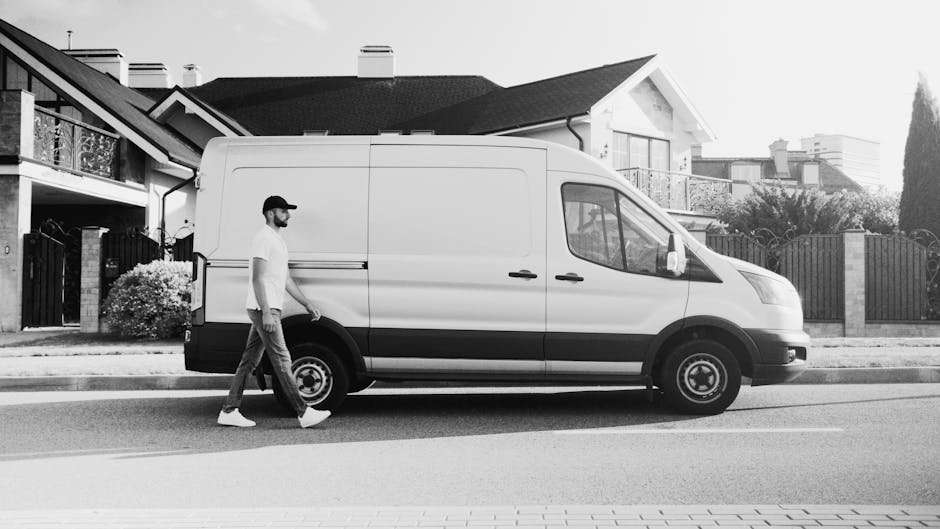




Fines and liability when you hire a van in Borough
Posted on 31/07/2026
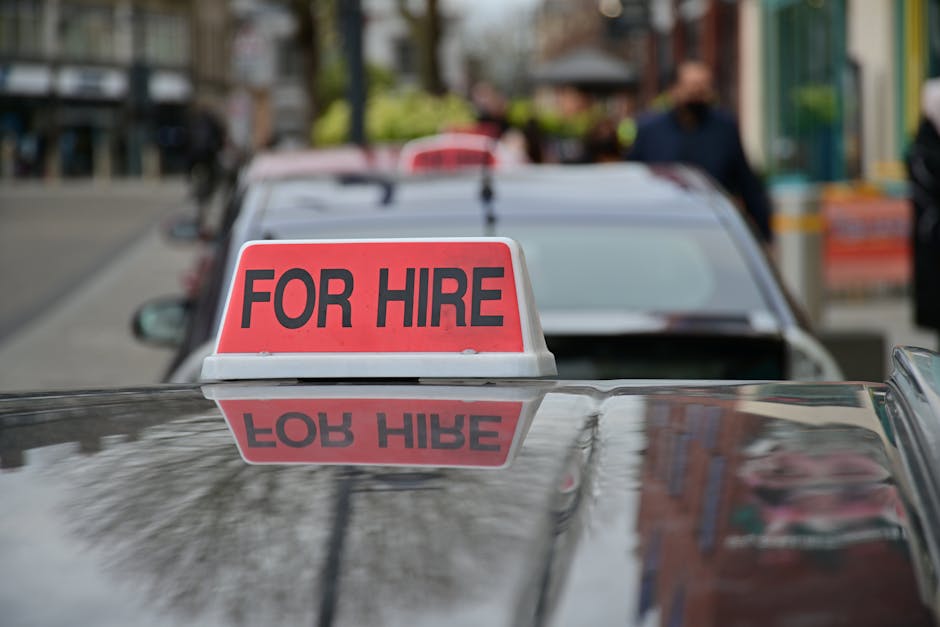
Hiring a van in Borough can look simple on paper: book the vehicle, load your items, drive over, unload, done. In real life, though, the small print matters. Fines and liability when you hire a van in Borough can quickly become a headache if you ignore parking restrictions, damage responsibilities, permit rules, or the hire terms you skimmed at the last minute.
Truth be told, most people only think about the van price. But the real risk often sits around liability, not mileage. Who pays if the van gets a scratch in a tight street? What if a parking ticket lands while you are waiting by the kerb? And if you load a wardrobe badly and something breaks, whose problem is that? This guide breaks it all down in plain English, with Borough-specific context and practical steps you can actually use.
For a broader look at moving support and local services, you may also find our services overview useful, especially if you are comparing options rather than booking in a rush.
Why Fines and liability when you hire a van in Borough Matters
Borough is one of those places where a moving day can go from calm to chaotic pretty fast. Streets can be narrow, parking can be time-sensitive, and loading space is often limited. That means a simple hire can carry more risk than people expect. A dropped sofa, a blocked bay, or a vehicle left in the wrong place for ten minutes can trigger costs you did not budget for.
The big issue is that fines and liability are not the same thing, even though they often get mixed together. A fine is usually a penalty from a council or enforcement body. Liability is about who is financially responsible when something goes wrong between you, the hire company, the driver, or a third party. If you do not understand both, you can end up arguing after the move instead of focusing on getting the job done.
In Borough, the practical side matters too. A van hire that looks cheap at first can become expensive if you need to deal with parking suspension issues, access problems, extra waiting time, or damage caused while manoeuvring in a tight street. That is why experienced movers tend to read the terms before they lift a single box. Sensible, a bit boring perhaps, but it saves a lot of stress.
If you are planning a move involving tricky access, the local advice in this Borough High Street guide on tight-access van solutions is worth a look. It gives a better sense of why access planning is not optional.
How Fines and liability when you hire a van in Borough Works
When you hire a van, responsibility is spread across several moving parts. The hire company owns or supplies the van. You may be the named hirer. A driver may be provided, or you may drive yourself. Then there is the property owner, the council, other road users, and anyone helping you load or unload. Each part carries different risks.
Here is the simple version. If a parking restriction is breached, the fine is usually tied to the vehicle and location. But if the hire contract says you are responsible for the vehicle while it is in your care, the bill may eventually land with you. If the van is damaged during loading, the question becomes whether the damage came from careless handling, unsuitable packing, pre-existing wear, or a genuine accident covered by insurance.
In practice, liability is usually worked out through a combination of:
- the hire agreement or service terms
- the condition report at handover
- photos or video evidence
- insurance cover and any excess
- proof of parking permits or loading permissions
- documentation about what was moved and how it was secured
That sounds formal, but it is really just evidence. If you can show the van was already marked, that the street was signed, or that the issue came from a third party, your position is much stronger. Without evidence? Not so much. That little detail matters more than most people realise.
For readers who want the basics of the hire model itself, man with a van in Borough and man and van Borough explain the service style in a way that helps you decide whether you need driver support, labour help, or a fuller moving setup.
Key Benefits and Practical Advantages
It may sound odd to talk about benefits in an article about fines and liability, but there are real positives to handling this properly. The main one is simple: clarity reduces cost. When everyone knows what they are responsible for, there are fewer surprises and fewer awkward phone calls after the move.
Another benefit is speed. If you have already checked permits, parking arrangements, and insurance coverage, the move tends to run more smoothly. That can matter a lot in Borough, where a delay can snowball into a parking penalty, a missed slot, or extra labour time while someone stands around watching the clock. Nobody enjoys that part.
There is also a safety angle. A clear approach to liability usually means better loading, better lifting, and less rushing. And let's face it, rushing is where mistakes creep in. A van hired for the right size, with the right access plan and the right cover, is usually less stressful and more cost-effective than an underprepared bargain.
- Lower risk of hidden costs: better planning means fewer add-ons.
- Better damage protection: you know what is covered and what is not.
- More control on moving day: fewer last-minute decisions in the street.
- Improved compliance: permits, parking and loading are easier to manage.
- Less post-move dispute: everyone knows the rules before the first box moves.
For a good example of how pricing and responsibilities can be misunderstood, the article on hidden fees in Borough removals pricing is especially relevant. It connects neatly with liability, because a vague quote often becomes a vague argument later.
Who This Is For and When It Makes Sense
This topic is for anyone arranging a local move in Borough, but some groups need to be especially careful. If you are renting a van for the first time, dealing with tight access, or moving expensive or fragile items, you need to understand the responsibility split before you commit.
It also matters if you are working on a deadline. Same-day moves, office relocations, and student moves often happen quickly, which is exactly when people overlook the fine print. A little shortcut now can turn into a very annoying invoice later. Not ideal.
You should pay special attention if any of these apply:
- you are parking close to restricted roads or controlled bays
- you are moving on a busy weekday with limited loading time
- you are handling fragile, bulky, or high-value items
- you are hiring a van without an experienced driver
- you are sharing responsibility with friends, family, or flatmates
- you are unsure whether the hire includes insurance, excess cover, or damage waivers
Students and first-time movers often underestimate this. If that sounds familiar, the local student removals Borough page is a useful reminder that a low-cost move still needs a proper plan.
Step-by-Step Guidance
Here is the practical way to reduce risk before, during, and after your van hire in Borough.
- Check the hire terms line by line. Look for damage responsibility, mileage rules, fuel policy, driver requirements, late return charges, and excess amounts.
- Inspect the vehicle before you accept it. Take photos of bodywork, mirrors, tyres, windscreen, interior, and any existing marks. A quick video is even better.
- Confirm who is driving and who is liable. Do not assume the driver automatically carries responsibility. In many cases, the named hirer still carries the financial risk.
- Plan the parking and access first. If you need a suspension, loading bay, or special arrangement, sort that out before moving day.
- Load the van correctly. Heavy items low and secure, fragile items protected, and nothing loose that can shift suddenly.
- Keep records during the job. Save booking confirmations, permit details, photos, and any texts about delays or access issues.
- Return the vehicle on time and in the agreed condition. Clean enough, fuelled as required, and with no unexplained damage.
- Deal with issues promptly. If a ticket, damage claim, or access complaint appears, respond quickly and calmly. The paper trail matters.
One small but important point: if the move involves large furniture, think about the route as much as the van. The wrong turn, a low ceiling, or a narrow stairwell can create damage before the loading even starts. The guide on narrow stair moves in Borough is useful here, even if your move is not especially dramatic. It helps you think like a planner instead of a panicked lifter.
Expert Tips for Better Results
In our experience, the best way to avoid van-hire liability problems is to act as though every small detail could matter later. That sounds a little cautious, but it is the right mindset. Most disputes do not begin with huge disasters. They start with a missing photo, an unclear assumption, or a rushed loading decision.
Here are the habits that make the biggest difference:
- Use wide-angle photos at handover. This helps capture dents and scratches clearly.
- Keep the hire and parking documents together. When the pressure rises, you will not want to hunt through emails.
- Do not overload the van. Weight problems can affect handling and create damage claims.
- Protect floorboards and door frames. Damage in communal buildings can become your responsibility very quickly.
- Measure the awkward items. Beds, wardrobes, sofas, and pianos need realistic planning.
- Use proper lifting technique. A back injury may not be a "liability" in the legal sense, but it becomes one in the human sense very fast.
If you are moving large household items, the following articles can help you reduce risk before anything even reaches the van: packing tips for a smoother move, kinetic lifting guidance, and solo heavy hoisting advice. They are practical, not flashy, which is exactly what you want here.
And yes, do the boring thing: read the contract before you need it. Nobody has ever said, "I wish I had ignored the terms sooner."

Common Mistakes to Avoid
Most liability problems are preventable. The trouble is that moving day makes people a bit overconfident, a bit tired, and occasionally over-caffeinated. That is a rough combination.
- Assuming insurance covers everything. It often does not. Excess, exclusions, and user error can all matter.
- Parking without checking signs. Borough streets can change quickly, and a bay that looks fine may not be fine at all.
- Skipping the vehicle inspection. If there is no record, proving pre-existing damage becomes harder.
- Using the wrong van size. Overcrowding increases damage risk and may also lead to a second trip.
- Ignoring access constraints. Tight corners, low bridges, stairwells, and long carries all add risk.
- Leaving valuables unsecured. Loose items can shift, crack, or fall in transit.
- Not confirming who is responsible for fines. The driver, hirer, and company may each have different obligations depending on the arrangement.
A lot of people also forget that household waste can create confusion. If you leave old furniture or mattresses behind in the wrong place, you may face disposal issues as well as moving issues. The article on Borough bulky waste removals is worth reading if you are clearing out as you move.
One more thing. If something feels unclear, ask. A quick question now is cheaper than a dispute later. Simple, really.
Tools, Resources and Recommendations
You do not need fancy gear to reduce liability. You need the right basics and a calm process. The best tools are often the unglamorous ones: a camera, a tape measure, packing blankets, ratchet straps, labels, and a clear checklist. A few minutes with those items can save hours later.
Useful things to have ready:
- phone camera for time-stamped photos
- printed or saved hire agreement
- parking confirmation or permit reference
- blankets, wraps, and straps for securing furniture
- marker pens and labels for identifying fragile items
- contact details for the hire provider and building manager
If you are still weighing up whether a full-service approach is better than a self-managed hire, removal services in Borough can help you compare the service style, while removal companies in Borough is useful if you want to compare broader support and not just a van on its own.
For practical packing and safeguarding advice, the article on sofa storage and protection is a good example of the kind of detail that prevents damage claims. It sounds niche, but furniture damage is one of the most common reasons people end up arguing about responsibility.
Law, Compliance, Standards, or Best Practice
This is the section people tend to skip, which is exactly why it deserves a place. You do not need to become a legal expert, but you should understand the basic standards that usually govern van hire, parking, loading, and damage responsibility in the UK.
First, read the hire agreement. That document normally sets out who is liable for what, what counts as misuse, what insurance applies, and how claims must be reported. If you are the hirer, you are often the first person the company will look to if anything goes wrong. Even if someone else is driving, that does not always remove your responsibility.
Second, make sure parking and loading are handled sensibly. Local enforcement rules can change from street to street, and Borough roads are not the place to guess. If you need support with the access side, the article on Southwark Council permits for Borough removals is a practical companion piece, as is the guide to parking suspensions on Borough High Street.
Third, use good moving practice. That means safe lifting, proper stacking, and realistic load planning. You will often see this reflected in a company's health and safety approach. If you want to understand the mindset behind that, the health and safety policy and insurance and safety pages are helpful context.
Best practice is not about being overly cautious. It is about being able to show that you acted responsibly if a problem arises. That distinction matters more than people think.
Options, Methods, or Comparison Table
Not every move needs the same level of support. Here is a practical comparison to help you judge the liability load before you book.
| Option | Typical fit | Liability profile | Best for |
|---|---|---|---|
| Self-drive van hire | You drive and manage the move yourself | Higher personal responsibility for damage, parking, loading, and timings | Small moves, experienced movers, flexible schedules |
| Van with driver | Driver support included, labour may be separate | Shared responsibility depending on contract and who handled what | Local moves with limited access or less driving confidence |
| Van plus moving labour | Help with lifting, loading, and unloading | Lower handling risk if the team is experienced and insured | Heavy furniture, awkward access, time-sensitive jobs |
| Full removals service | End-to-end support from planning to unloading | Often the clearest arrangement for responsibility and claims handling | House moves, offices, fragile or valuable items |
There is no single perfect option. But if you want the least ambiguity around liability, the more structured the service, the easier it usually is to resolve any issue. That is the plain truth of it.
For moves that need more than a van, the pages on house removals Borough and office removals Borough show how a more complete service can reduce the grey areas around responsibility.
Case Study or Real-World Example
Imagine a small flat move from a side street in Borough to another SE1 address. The tenant books a van for late morning, assuming the street outside will be easy enough for a quick stop. On the day, the van arrives, but the loading area is tighter than expected and another vehicle is already partially blocking the bay. The team spends extra time circling, then waits while someone carries boxes down from the top floor.
Nothing dramatic happens. No crash, no broken lamp, no frantic shouting. But a parking ticket lands later that day because the van stopped in a restricted area longer than expected. Then the hirer notices a scuff on the rear panel during return inspection. Was it there already? Did it happen while turning? Who knows, because no clear photos were taken at handover.
That is the sort of scenario where liability becomes expensive not because the move failed, but because the process was too loose. A better version of the same move would have included:
- checking access and parking before the van arrived
- photographing the van at pickup
- packing and labelling fragile items in advance
- confirming who would pay any ticket or excess charge
- keeping the route and timing flexible by a small margin
That little bit of preparation would have turned a messy day into a manageable one. Not glamorous. But effective.
Practical Checklist
Use this before you hand over payment or collect the keys:
- Read the hire terms and note damage, fuel, mileage, and late return rules
- Confirm who is the named hirer and who is driving
- Take photos of the van inside and out before leaving
- Check insurance cover and any excess amount
- Plan loading, unloading, and access at both addresses
- Check for parking restrictions, permit needs, or suspension notices
- Pack fragile items properly and secure heavy items low in the van
- Keep proof of any permits, instructions, or messages about access
- Inspect the van again before return
- Keep all paperwork until the hire is fully closed off
If your move needs packing support as well as transport, you may also find the packing and boxes Borough page helpful. Better packing means less damage, and less damage usually means fewer arguments. Nice and dull. Exactly what you want.
Get a free quote today and see how much you can save.
Conclusion
Fines and liability when you hire a van in Borough are not just a legal formality. They are the difference between a straightforward move and a stressful one with avoidable costs attached. Once you understand who is responsible for parking, loading, damage, and vehicle return, you can make better decisions and protect yourself properly.
The main takeaway is simple: do not rely on guesswork. Check the terms, document the vehicle, plan the parking, and choose the right level of support for the job. If your move involves awkward access, fragile furniture, or a tight timetable, a little extra preparation will usually save money in the long run. And sometimes a lot of money, which is always welcome.
Move carefully, keep your paperwork tidy, and give yourself enough breathing room on the day. That small bit of calm goes a long way.