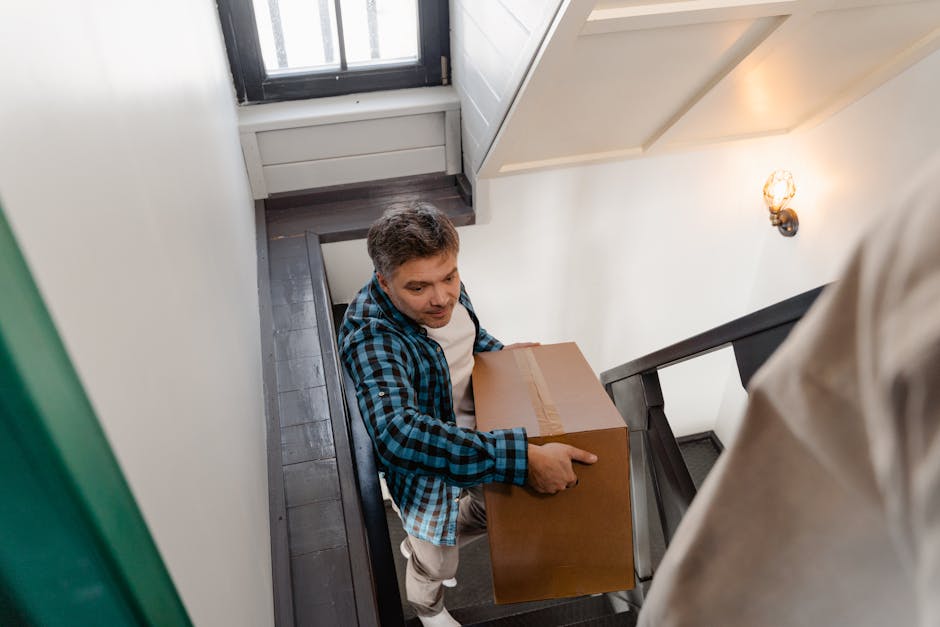




Narrow-stair moves in Borough: safe single-man solutions
Posted on 18/06/2026
Moving bulky furniture up or down a tight staircase is one of those jobs that looks simple until you're halfway round a turn, breathing hard, with a wardrobe that suddenly feels twice its size. If you're planning narrow-stair moves in Borough, safe single-man solutions are all about control, preparation, and knowing when to stop pushing your luck. Borough homes, flats, and converted buildings often come with awkward landings, steep runs, low ceilings, and staircases that seem designed by someone who never owned a sofa.
This guide breaks down how one person can handle difficult access safely, what really makes a move workable, and where the limits are. You'll find practical methods, a realistic checklist, comparison notes, and the kind of judgement calls that save walls, backs, and a lot of stress. It's not about bravado. It's about getting the job done cleanly.
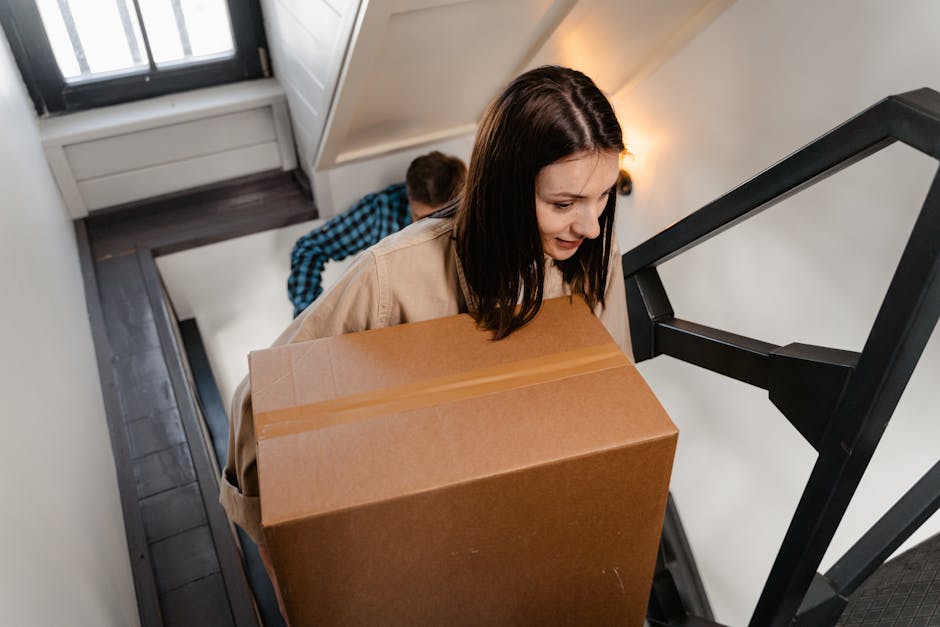
Why Narrow-stair moves in Borough: safe single-man solutions Matters
In Borough, access is often the real problem, not distance. A move across a few metres of hallway can be harder than a long van journey if the staircase is tight, twisted, or busy with railings, pipes, and door frames. Single-person moving can work well in the right circumstances, but only if the item, route, and technique all line up.
The safety angle matters more than most people first assume. A narrow staircase leaves little room for correction. If a chest of drawers starts to slip, there's nowhere to "catch" it without putting your hands, wrists, or shoulder at risk. Walls get scuffed, stair treads get gouged, and that quiet little wobble can become a full stop in a second. Let's face it, nobody wants to explain a cracked banister to a landlord on moving day.
There's also the practical side. A controlled solo move can reduce disruption in shared buildings, avoid unnecessary labour costs, and suit smaller jobs where hiring a whole team would be overkill. That said, "solo" should never mean "reckless". The best one-person solutions use smarter handling, better packing, and the right equipment rather than brute strength.
If you're also planning wider move logistics, it helps to think about the whole picture. Our advice on decluttering before a move and packing with fewer surprises can make tight-access stairs much less intimidating.
How Narrow-stair moves in Borough: safe single-man solutions Works
A safe single-man stair move is really a sequence of small decisions. First comes assessment: measure the item, the staircase width, the landing depth, and the tightest turn. Then comes preparation: remove loose parts, secure drawers, protect surfaces, and choose the correct grip points. Finally, it's the movement itself, which should be slow, planned, and broken into short stages.
The important part is understanding leverage. Heavy items feel manageable when the weight is balanced against your body and the load is kept close. They feel dangerous when they're extended away from you, because every inch of distance multiplies the strain. If you've ever tried to carry a mattress at arm's length in a stairwell, you already know the sensation. Awkward. Wobbly. Not fun.
Good single-man handling also depends on route planning. You need to know where you'll pause, where you can pivot, and whether there's space to rest the item without blocking the staircase. On Borough's older stairwells, this can be the difference between a tidy carry and an all-out wrestling match.
For heavier objects, the method often shifts from "carry" to "control and guide". That's a big distinction. Sometimes the safest move is not lifting everything at once but tilting, rotating, or sliding the load with protective gear and measured steps. If you want a more detailed look at body mechanics, our guide on solo heavy hoisting explains the fundamentals in plain English.
Key Benefits and Practical Advantages
When single-man moving is done properly, the benefits are real. It is not just about saving money, though that's often part of it. It's also about agility, timing, and having one person who knows exactly how the job is being handled from start to finish.
- Less waiting around: You don't need to coordinate a larger crew for a small or medium-sized job.
- Lower disruption: One person can move more quietly and neatly in shared blocks or narrow hallways.
- Better control: Fewer hands can mean fewer communication mistakes, especially on stairs.
- More flexible timing: Useful for urgent jobs, short-notice access windows, or quiet weekday moves.
- Reduced handling: If the mover knows the route and the item well, there's less unnecessary lifting.
There's a subtle benefit people overlook: a single skilled mover often makes fewer "random adjustments". That sounds minor, but random adjustments are where a lot of damage happens. One person following one plan tends to be smoother. Not always easier, but smoother.
For Borough residents dealing with flats, furnished rentals, or quick turnover between tenancies, this approach can fit neatly into a broader moving plan. If that sounds familiar, you may also find our pages on flat removals in Borough and man and van support in Borough useful when mapping out what kind of help you actually need.
Who This Is For and When It Makes Sense
Single-man narrow-stair solutions are not for every move, and that's perfectly fine. They tend to suit people with one or two bulky items, a relatively short carry, or a property where access is tight but manageable. Think one sofa, a mattress, a couple of cabinets, or a bed frame that can be broken down first.
This approach often makes sense for:
- students moving into or out of smaller Borough flats
- tenants shifting between furnished rooms
- homeowners moving a few bulky items rather than a full house
- office teams needing one desk, chair, or cabinet relocated
- anyone with a staircase that is too narrow for two people to manoeuvre side by side
It makes less sense when the item is very heavy, awkwardly shaped, brittle, or likely to twist in transit. Pianos, oversized wardrobes, and large corner sofas are usually a different conversation entirely. If you are dealing with something especially delicate, have a look at why piano moves are best left to specialists. That advice translates to other fragile, high-value items too.
A quick rule of thumb: if the item cannot be confidently paused mid-stair without losing balance, it's probably not a good solo carry. Truth be told, that one question saves a lot of trouble.
Step-by-Step Guidance
1. Survey the access route before touching the item
Walk the full route from room to van. Check stair width, landing turns, low ceilings, door handles, radiator edges, and any loose carpets. If the staircase has a sharp bend, notice whether the item will need to be angled vertically or horizontally at that point. Measure if needed. Guessing is how people end up muttering at bannisters at 8:15 in the morning.
2. Strip the item down as far as possible
Remove drawers, shelves, legs, cushions, glass panels, and any loose fittings. Bag screws and tape them to the item or label them clearly. For bed frames, separate slats and fixings. For sofas, remove detachable feet and covers where appropriate. A lighter, flatter load is much easier to guide on a narrow staircase.
3. Protect the item and the property
Use blankets, wrap, corner protectors, and stair guards where relevant. Even a careful move can brush paintwork if the turning radius is tight. Protecting both sides matters: the item and the property. This is especially relevant in rented Borough flats where a small scuff can become a much bigger conversation later.
4. Choose the correct body position
Keep the load as close to your body as the route allows. Use bent knees, a neutral spine, and controlled foot placement. Don't twist at the waist while bearing weight; turn with your feet. If you need to change direction, stop first, then reset the grip. Slow is not weakness here. It is the strategy.
5. Move in short stages, not one long push
Break the job into tiny segments. Lift, pause, re-grip, and then move again. On a narrow stair, one short controlled shift is better than a full committed heave. It sounds almost too cautious until you're the one standing beside a banister with a wardrobe that will not forgive a slip.
6. Watch your exit point as carefully as the stairs
People often focus on the staircase and forget the final turn into the room or van. That's where many items snag. The move is only complete when the object is fully clear of the route and safely down. Until then, keep the same level of focus.
If the move involves a mattress, sofa, or bed base, it can help to compare the process with item-specific guidance such as moving a bed and mattress safely or protecting your sofa during storage and transit.
Expert Tips for Better Results
Here's the honest part: the best results usually come from preparation, not strength. In our experience, most problems on narrow stairs come from poor angles, rushed starts, or pretending an item is lighter than it is. It rarely works out well.
- Pre-test the turning angle: Hold the item near the staircase before you commit. If the angle looks impossible, it probably is.
- Use a second look, even if you're working alone: Stand back and re-check the route. A 30-second pause can prevent a 30-minute struggle.
- Keep hands clear of pinch points: Fingers and stair rails do not get on.
- Wear proper footwear: Flat, grippy shoes beat anything slippery or bulky.
- Hydrate and pace yourself: Fatigue makes mistakes creep in. Usually quietly, which is annoying.
- Break the job before the job breaks you: If the item feels unsafe at any point, stop and rethink the plan.
A small but useful tip: tape or pad the leading corners of wooden furniture before you start. Those corners are usually the first thing to hit a wall when the staircase turns tighter than expected. Also, keep the van parked so that the final carry is short. Carrying an awkward piece any further than necessary is just making life harder for yourself for no real reason.
For lifting method and body mechanics, our article on kinetic lifting techniques offers a useful foundation, especially if you're trying to reduce strain on repeated carries.

Common Mistakes to Avoid
Some errors show up again and again, and they're often avoidable. The good news is that once you know them, you can sidestep most of the drama.
- Skipping measurements: A "should fit" staircase is not a measurement.
- Keeping items fully assembled: Large pieces are much harder to angle and balance.
- Trying to rush the last turn: The turn is where loads become unpredictable.
- Ignoring wall protection: One scuff can lead to time-consuming repairs.
- Underestimating weight distribution: A light-looking item can still be badly balanced.
- Working through pain: If your back, shoulder, or grip starts to fail, stop immediately.
- Using the wrong route: Sometimes the "obvious" path is not the safest one.
Another big mistake is not planning where the item will go once it leaves the stairs. If there's nowhere clear to set it down, you'll end up improvising under pressure. That's when accidents like to happen. Not dramatic movie-style accidents, just the irritating real-life kind.
Tools, Resources and Recommendations
You do not need a van full of specialist kit to make narrow-stair moves work, but a few sensible tools can make a huge difference. The right gear helps you move more confidently and with far less strain.
| Tool or aid | What it helps with | Best use case |
|---|---|---|
| Furniture blankets | Protecting surfaces and items | Wooden furniture, sofas, bed frames |
| Ratchet straps | Keeping loads secure in transit | Van loading and awkward bundles |
| Gloves with grip | Improving control and reducing slips | Boxes, smaller furniture, repeated handling |
| Corner protectors | Shielding walls and item edges | Tight turns and narrow stairwells |
| Furniture sliders | Helping items move more smoothly on flat surfaces | Final positioning before or after the stairs |
| Stair runner protection | Reducing marks and abrasions | Shared properties and rental homes |
For planning and packaging, it helps to keep a few other pages in mind. Packing materials and boxes in Borough can support the smaller items, while the right removal van option keeps the overall move organised. If you need a broader view of available help, the services overview gives a useful starting point.
And if you're moving a whole set of items rather than just one or two, it may be worth considering furniture removals in Borough instead of forcing everything into a one-person plan. Sometimes the smartest move is asking for the right kind of help. Simple as that.
Law, Compliance, Standards and Best Practice
For private moves, there is usually no complicated legal framework hanging over a standard single-item carry. But there are still clear expectations around safety, care, and property protection. In the UK, general workplace and manual handling best practice is straightforward: avoid unnecessary lifting, reduce risk where possible, and don't ask the body to do what equipment or planning can do better.
If you are moving as part of a business, landlord turnover, or commercial premises clearance, the duty of care becomes more obvious. You should think about safe lifting, slip hazards, access management, and how the movement affects others in the building. Shared hallways, stairs, and entrances need a bit of courtesy, too. Borough blocks can be busy, and one badly timed carry can inconvenience several neighbours at once.
Insurance is worth a mention as well. A professional approach usually includes sensible protection for goods in transit and the property being accessed. Policies vary, of course, so it's always worth checking the practical details rather than assuming everything is covered. If you want to understand the broader approach to safety and protection, our insurance and safety information is a useful reference point.
For customers who want reassurance around working practices and responsibility, pages like the health and safety policy, terms and conditions, and payment and security help set expectations clearly. That transparency matters. People relax when they know what's covered and what isn't.
Options, Methods and Comparison Table
Not every narrow-stair move needs the same solution. Sometimes solo handling is enough; sometimes you need a helper; sometimes the best solution is disassembly, not lifting. Here's a simple comparison to make the choice easier.
| Method | Best for | Strengths | Limitations |
|---|---|---|---|
| Single-man controlled carry | Smaller or medium items with workable access | Flexible, efficient, good for short jobs | Higher demand on technique and judgement |
| Two-person carry | Heavier or awkward items | More support, easier balancing | Needs coordination and extra space |
| Item disassembly | Large furniture with removable parts | Makes access safer and easier | Takes time and may need tools |
| Specialist move assistance | Pianos, antiques, large sofas, fragile items | Reduced risk and more control | Can cost more than a simple carry |
The right choice depends on the item, staircase, and your confidence with the load. If any one of those three looks shaky, reconsider. No shame in that. In fact, it usually shows good judgement.
Case Study or Real-World Example
Picture a Borough flat with a steep stairwell, a tight half-landing, and a one-piece bookcase that has to come down before lunchtime. A solo mover starts by stripping out shelves and emptying the unit entirely, which immediately reduces weight and improves balance. The staircase is checked first, and the narrowest point is the turn by the second landing.
Rather than forcing the bookcase upright from the start, the mover angles it slightly, keeps one edge close to the wall with padding in place, and moves in short pauses. The item is lowered one step at a time, then turned carefully at the landing where the usable space is widest. No drama, no sudden pivot, no scraping. The move takes longer than a rushed lift would have, but it avoids wall damage and back strain.
That is the pattern you want to copy: reduce weight, simplify the load, protect the surroundings, and move in stages. It sounds almost boring on paper. In real life, boring is often brilliant.
Practical Checklist
Before you begin, run through this checklist. It's simple, but it catches a lot of preventable headaches.
- Measure the item, staircase, landings, and doorways
- Remove detachable parts and pack fittings separately
- Protect walls, corners, and the item itself
- Check footwear and gloves for grip
- Confirm the route is clear of clutter, cables, and loose mats
- Decide where you can pause and safely rest the item
- Plan the van loading order before bringing the item out
- Keep any necessary tools within easy reach
- Stop if the item starts slipping, twisting, or blocking your view
- Make sure the final set-down space is ready before you start
If you're preparing for a larger move, related guidance such as keeping house moves calm and organised, moving-out cleaning tips, and bulky waste disposal in Borough can help round off the process neatly.
Conclusion
Narrow stairs do not automatically mean a difficult move, but they do demand a smarter one. Safe single-man solutions work best when the mover has measured properly, stripped the item down, protected the route, and accepted that slow is often the safer speed. In Borough, where access can be tight and buildings vary wildly from one street to the next, that careful approach is usually what keeps the day on track.
If you remember one thing, make it this: control matters more than force. The right plan can turn an awkward carry into a manageable job, and that's a huge difference when you're standing at the bottom of a staircase with a heavy item and a deadline.
Get a free quote today and see how much you can save.
When the stairs are narrow and the item matters, a calm, well-planned move is often the best kind of progress. One careful step at a time.