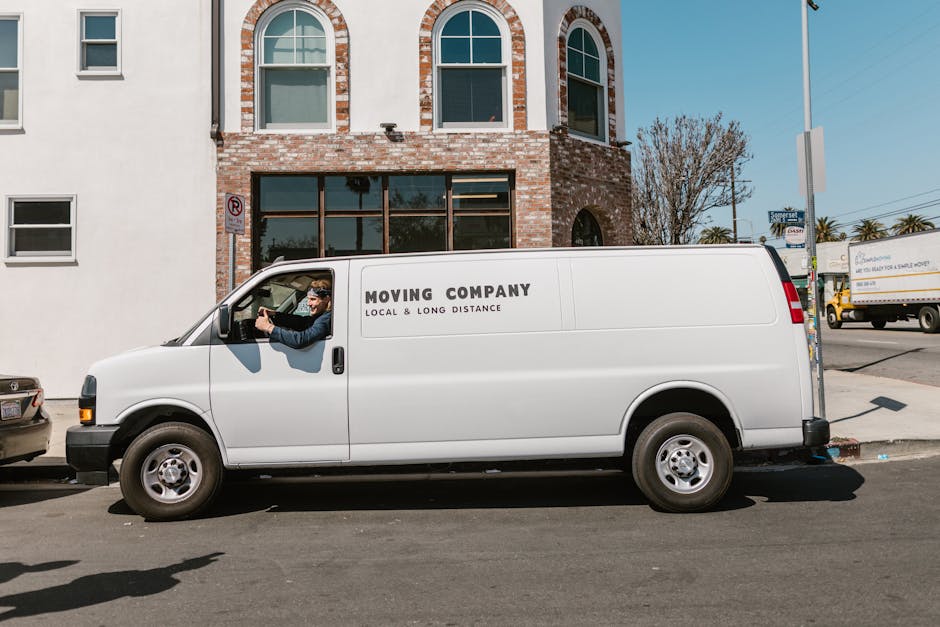




Need an emergency move in Borough? Fast van options
Posted on 13/05/2026
When a move suddenly turns urgent, the last thing you want is confusion. A landlord changes the deadline, a buyer wants keys earlier than expected, or a flat clear-out needs to happen before the evening. In moments like that, Need an emergency move in Borough? Fast van options becomes less of a search phrase and more of a problem that needs solving quickly, calmly, and without damage to your things.
The good news is that emergency moving does not have to mean chaos. With the right van size, a sensible plan, and a team that understands Borough's tight streets, parking restrictions, and awkward access points, you can get a move done far faster than most people expect. This guide breaks down how urgent removals work, what fast van options suit different situations, what to avoid, and how to make a same-day move feel manageable rather than overwhelming.
If you are also comparing service levels or trying to understand what fits your job best, it can help to look at the wider removal services overview, or the more specific same-day removals in Borough page for a faster route to the right support.

Why Need an emergency move in Borough? Fast van options Matters
Urgent moves are stressful for a simple reason: time compresses everything. Decisions that would normally take a week have to be made in an hour. Packing, loading, access, parking, lifting, route planning - all of it happens under pressure. And Borough adds its own quirks to the mix, with busy roads, restricted stopping places, and properties that may have narrow stairways or limited lift access.
That is why fast van options matter. A good urgent removals setup reduces the number of moving parts. Instead of trying to coordinate a large vehicle, a complex crew, and a long window of time, you can match the vehicle to the job and keep the process lean. For a one-bedroom flat, a student move, or a quick furniture transfer, that can save hours. Sometimes even the difference between making a deadline and missing it by a hair. Annoying, but true.
There is also a safety angle. A rushed move often leads to dropped boxes, strained backs, damaged door frames, and avoidable friction with neighbours or building managers. Fast should not mean reckless. The best emergency move is the one that is quick and controlled.
For readers who want a broader view of the area-specific service, man with a van in Borough and man and van Borough are useful pages to compare the style of support available for smaller, urgent jobs.
How Need an emergency move in Borough? Fast van options Works
Most urgent van moves follow a fairly simple pattern. The difference is that everything is stripped back to the essentials so you can move quickly without getting bogged down in unnecessary detail.
- You explain the job clearly. What needs moving, from where, to where, and how soon. A short, direct description is best. "Two sofas, a wardrobe, and six boxes from a third-floor flat in Borough to SE1, needed today" tells a mover far more than a vague "small move".
- The right van size is chosen. A small van may suit a few items or student belongings. A medium van can handle a flat move or mixed furniture load. A larger removal van is better when the job is still urgent but not tiny.
- Access is checked fast. Is there parking nearby? Any lifts? Any stairs? Can the van stop outside long enough to load safely? In Borough, this bit matters more than people realise.
- The load is organised efficiently. Heavy items go first, fragile items are protected, and awkward shapes are placed where they will not shift around. Proper stacking saves time later, and frankly, saves headaches too.
- The route and handover are kept straightforward. The aim is a direct collection, direct delivery, and minimal downtime in between.
If you are moving more than a few items but still need speed, a dedicated removal van in Borough is often the practical middle ground. It gives you the capacity of a proper moving vehicle without the complexity of a larger home-removal setup.
And if the move is tied to a sudden property deadline, a quick chat through the contact page is usually the fastest way to confirm availability. To be fair, that first call often clears up half the uncertainty.
Key Benefits and Practical Advantages
Fast van options are not just about speed. They are about keeping control when the clock is working against you.
- Shorter waiting time: urgent jobs can often be arranged with little lead time, which helps if you have a same-day deadline.
- Better fit for smaller loads: not every emergency move needs a full removals crew. A van can be more efficient for compact loads.
- Less disruption: quicker collection and delivery means less time off work, less inconvenience, and fewer moving-day interruptions.
- More practical in tight streets: Borough properties can be awkward to access, so a nimble van is often more useful than a large vehicle.
- Lower risk of overpaying for unused capacity: when the move is small, paying for a huge setup can feel, well, a bit pointless.
- Flexible for mixed needs: a van can handle anything from boxes and luggage to beds, desks, and a couple of bulky items.
There is also a reassurance factor. When a move is urgent, people tend to overestimate how much they need to do themselves. A reliable van option gives you a clear structure. That is surprisingly calming. You can focus on the essentials rather than trying to improvise everything at once.
For furniture-heavy loads, the dedicated furniture removals Borough service is worth considering, while anyone juggling a complete property move may find house removals in Borough more appropriate.
Who This Is For and When It Makes Sense
Emergency van moves are not just for people in a full-scale panic. They are often the right choice for very ordinary situations that have simply become urgent.
You may need this kind of support if:
- your tenancy ends earlier than expected
- a landlord or estate agent gives you short notice
- you need to clear a flat before repairs, cleaning, or handover
- you bought second-hand furniture and need it collected the same day
- you are a student moving between halls, rooms, or shared houses
- an office needs a quick furniture transfer
- you have a bulky item that cannot be left where it is
- you are relocating a few key items into storage while sorting the rest out
That last one comes up more than people think. Sometimes the smartest move is not the full move. It is a partial move into storage so you can breathe a little. If that sounds familiar, the storage in Borough page may be relevant, especially where a same-day clearance and a temporary holding solution need to work together.
Students in particular often need quick, low-fuss support. Between term dates, changing room access, and boxes that multiply overnight, a simple student removals Borough option can save a lot of time and a fair bit of stress.
Step-by-Step Guidance
If you only remember one thing, remember this: speed comes from preparation, not rushing.
1. Identify what absolutely has to go now
Separate the must-move items from the "it would be nice" items. On an emergency job, that distinction is everything. Keep the core items near the door and leave non-essentials for later if there is any chance of a second run.
2. Measure the awkward pieces
Doorways, stair turns, lift dimensions, and bulky furniture should be checked before the van arrives. A sofa that looks fine in the living room can become a full-on puzzle at the front door. It happens all the time.
3. Pack in load order, not room order
For urgent moves, packing by load order is often faster than trying to keep every room perfectly separate. Heavy books in one box, linens together, fragile items wrapped properly, and loose bits bagged and labelled. If you need help getting packing sorted quickly, the guide on packing and boxes in Borough is a sensible companion resource.
4. Clear access points before the van arrives
Hallways, stairs, and landings need a clear path. A tiny delay at the front door can snowball if boxes are stacked in the wrong place. One misplaced lamp stand and suddenly everyone's stepping around it.
5. Confirm timing and contact details
With an emergency move, clarity matters. Double-check the pickup address, drop-off point, and best phone number. If access changes at the last second, a mover needs to know fast.
6. Load, secure, deliver
During loading, heavier pieces should be tied down or positioned so they do not move around. Once the van is moving, the route should be as direct as possible. At delivery, place items in the right rooms if that has been agreed, rather than leaving everything in a single pile in the hallway.
Expert Tips for Better Results
Here is the practical stuff that often makes the difference between a move that just about works and one that feels efficient.
- Use clear labels, even on a rush job. A simple "kitchen", "bedroom", or "fragile" label saves time later.
- Keep essential items separate. Chargers, medicines, keys, documents, and one change of clothes should travel with you, not in the main pile.
- Protect corners and surfaces. A blanket, wrapping, or cardboard sheet can prevent avoidable scuffs.
- Choose van size realistically. Too small means multiple trips. Too large can be awkward in Borough streets. Balance matters.
- Think about lifting technique. Bend at the knees, keep load weight close, and don't twist while carrying. There's a reason movers talk about safe lifting all the time.
For a deeper look at safer handling, the article on kinetic lifting and moving efficiency offers useful background, while solo heavy hoisting is helpful if you are trying to understand why certain items should never be lifted alone.
And if the job includes a piano, please do not improvise. A quick read of piano removals Borough and the related advice in this piano moving article may save you from a very expensive mistake. Harsh? Maybe. Accurate? Absolutely.

Common Mistakes to Avoid
Emergency moves tend to go wrong in predictable ways. If you can sidestep these, you are already halfway there.
- Booking the first van without checking capacity. Speed is useful, but only if the vehicle can actually take the load.
- Underestimating access problems. Borough's roads and buildings can be tricky. A quick stair check beats a long argument at the kerbside.
- Leaving packing until the last minute. Loose items slow everything down and increase the chance of damage.
- Not separating fragile items. One rushed box of mixed kitchenware can undo an otherwise smooth move.
- Ignoring parking or stopping restrictions. You do not want the van to be blocked in or forced to park far away from the property.
- Trying to move everything yourself. Sometimes that feels cheaper, but if it leads to damage or injury, the savings disappear quickly.
One of the quietest mistakes is not asking enough questions early. "How long will loading take?" "Is there space for the van?" "Do you need help with stairs?" Those are simple questions, but they prevent messy surprises later. Truth be told, most moving problems start in the first five minutes.
Tools, Resources and Recommendations
You do not need a mountain of equipment for an urgent move. What helps most is a short list of practical essentials:
- strong cardboard boxes in mixed sizes
- packaging tape and a tape dispenser
- bubble wrap or padded wrapping for fragile items
- labels or a marker pen
- blankets for furniture protection
- bin bags for loose textiles, soft items, and quick clear-outs
- basic tools for dismantling beds, tables, or shelving if needed
If you are trying to clear clutter before a same-day move, the advice in how smart decluttering can transform your move is well worth a look. For people who need a calmer moving day overall, this house-moving guide takes a more thoughtful approach that suits anyone who wants less frenzy and more control.
And if your move is linked to a flat exit, end-of-tenancy clean, or a quick handover, the piece on house cleaning hacks for moving out can help you avoid a last-minute scramble that nobody enjoys. Nobody.
Law, Compliance, Standards, or Best Practice
For emergency moves, the most important compliance points are usually practical rather than complicated. In the UK, a mover should handle property carefully, work safely around lifts and stairs, and respect local parking or loading requirements. In Borough, that may mean planning around controlled parking zones, keeping access clear, and avoiding obstruction where possible.
There are also basic best-practice expectations you should look for:
- Insurance awareness: it is sensible to understand what is covered during transit and handling.
- Safe lifting practice: heavy or awkward items should be managed in a way that reduces injury risk.
- Transparent terms: you should know what is included, what counts as waiting time, and whether there are extra charges for stairs, delays, or difficult access.
- Careful handling of access and belongings: furniture should be protected, and the move should be carried out with reasonable care.
If you want a clearer view of safety and protection standards, the pages on insurance and safety and health and safety policy are useful trust-building references. Payment details and terms also matter more in urgent jobs than people think, so payment and security and terms and conditions are worth reviewing before you confirm anything.
Options, Methods, or Comparison Table
If you are deciding between fast moving options, the right choice depends on load size, access, and how much help you need. Here is a simple comparison to make that easier.
| Option | Best for | Strengths | Watch-outs |
|---|---|---|---|
| Small van hire style support | A few boxes, bags, or one bulky item | Quick, nimble, easy in tight streets | Limited space; may need more than one trip |
| Man and van service | Small to medium urgent moves | Flexible, practical, usually faster to arrange | Needs accurate load details to avoid underestimating size |
| Removal van with loading help | Furniture, flat moves, mixed loads | Better protection, more efficient loading, less strain | May cost more than a bare minimum transport-only option |
| Full removals service | Larger or more complicated urgent moves | Most support, especially for stairs and heavier pieces | More planning required, sometimes more than needed for small jobs |
A useful rule of thumb: if your move includes furniture, awkward access, or a time window that feels uncomfortably tight, leaning towards a supported van option is usually smarter than trying to keep everything ultra-minimal.
Case Study or Real-World Example
Picture a typical Borough situation. A tenant receives a same-day request to clear a one-bedroom flat by late afternoon because keys need to be handed over. There are two bookcases, a bed frame, a mattress, a small dining table, and around a dozen boxes. Nothing huge. But the stairwell is narrow, the street is busy, and there is not much room to linger outside.
In that scenario, a fast van option works best when it is stripped back to the essentials. The tenant separates valuables and documents first, dismantles the bed frame, and groups the remaining items by size. The mover arrives, loads the mattress carefully, protects the furniture edges, and uses the van space in a way that avoids a second trip. The whole process feels tight, but manageable.
What made the difference? Not luck. A clear inventory, fast access planning, and realistic vehicle choice. A small delay in confirming the right service would probably have meant a second journey, which would have been a pain in Borough traffic. Simple as that.
This is also where specialist pages can be useful. A flat move often sits naturally alongside flat removals in Borough, while small business users may need office removals Borough if the urgent move is happening in a work setting rather than a home.
Practical Checklist
Use this checklist before the van arrives. It keeps the whole thing moving.
- Confirm the pickup and drop-off addresses
- List the items that must be moved today
- Check stairs, lift access, and doorway widths
- Separate fragile items and valuables
- Pack an essentials bag for the first 24 hours
- Clear hallways, landings, and entrances
- Make sure the mover has your correct phone number
- Ask about any access or parking issues in advance
- Confirm whether you need loading help, not just transport
- Keep documents, keys, and chargers with you
Expert summary: The fastest emergency move is not the one with the biggest van or the most rushed loading. It is the one where the load is realistic, the access is understood, and the route from door to van is clear before anyone starts lifting.
Conclusion
When time is tight, the right van option can make an urgent move in Borough feel much more manageable. Start with a clear inventory, choose a vehicle that genuinely fits the job, and keep access details front and centre. That way you avoid the most common problems: wasted time, repeated trips, and unnecessary stress.
The main thing is not to panic. Emergency moving is rarely elegant, but it does not need to be messy. With a sensible plan and the right local support, you can get through it cleanly and move on with your day.
Get a free quote today and see how much you can save.
If you are ready to talk through a same-day move or want help deciding whether you need a man and van, a removal van, or full support, the best next step is to get in touch here. A quick conversation now can save a lot of hurried decisions later.
And honestly, once the boxes are out and the van doors shut, the whole day tends to feel lighter. Relief is a lovely thing.