




Southwark Council permits for Borough removals explained
Posted on 26/06/2026
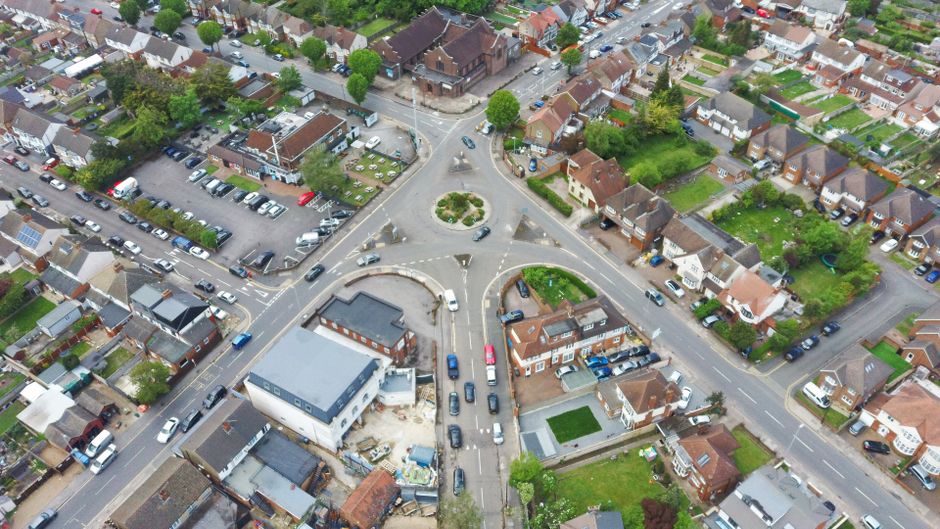
Moving in Borough can feel simple on paper. Then you look at the street outside your flat, the parked cars, the yellow lines, the narrow pavement, and suddenly the whole thing gets a bit more complicated. If you are planning a move in this part of Southwark, understanding Southwark Council permits for Borough removals explained is one of those small details that can save you a big headache later.
Permit rules matter because removals are rarely just about lifting boxes. They are about where the van can stop, how long it can stay there, whether loading is allowed at that time, and whether you need to organise anything before move day. In Borough, where access can be tight and traffic can feel busy from early morning onward, getting this right helps the whole day run more smoothly. Let's break it down properly, without the jargon.
Why Southwark Council permits for Borough removals explained matters
If you are moving house, flat, or office in Borough, the permit question is not a nice-to-have. It is part of the logistics. A removal van may need a legal place to stop close to your property, especially if the road is narrow, heavily parked, or controlled by local restrictions. If the van cannot load safely and legally, everything slows down. Sometimes the crew has to park further away and trolley items longer. Sometimes the van has to circle the block. And sometimes that small delay turns into a very long morning.
That matters for three reasons. First, it affects timing. Second, it affects cost, because extra labour or waiting time can change the day's shape. Third, it affects goodwill with neighbours and building managers. Nobody wants a move day that starts with a frustrated resident, a blocked access point, or a note from enforcement on the windscreen. To be fair, people often only think about the council side after a problem appears. That is usually too late.
In Borough especially, where many properties sit close to busy roads and limited-stay bays, the practical question is simple: can the vehicle stop where it needs to stop, for long enough, without creating a problem? If the answer is unclear, planning ahead is wise. If you are arranging a broader move, it also helps to understand the wider service picture on the services overview page and the general approach to removals in Borough.
How Southwark Council permits for Borough removals explained works
The exact process depends on the street, the vehicle, the time of day, and the type of loading required. In plain English, a permit is permission to use a parking or loading space in a way that would otherwise be restricted. That can mean reserving a bay, arranging a dispensation, or confirming that loading is allowed under specific conditions. The council's role is to manage the road safely and fairly. Your role is to make sure the removal plan fits those rules.
Most people do not need to memorise the legal wording. What you do need is a good sense of the moving-day reality:
- Is the street usually busy with parked cars?
- Is there a loading bay nearby?
- Will the move involve repeated trips between the property and the van?
- Is the building on a tight street or one-way road?
- Do you need enough time for larger furniture, such as wardrobes, sofas, or a piano?
When these answers lean towards "yes, this will be awkward", a permit becomes much more important. In practice, this often applies to flat removals in Borough, older buildings with narrow access, and streets where stopping for even a few minutes can be difficult. If your move is especially time-sensitive, the guidance on same day removals in Borough can also help you think about speed versus planning.
One thing people miss: the permit itself is only part of the story. The removal team still has to use the space well. That means planning parking position, item sequence, and route from door to van. A permit does not make a difficult street magically easy. It just makes the job legally workable.
Key benefits and practical advantages
Getting the permit side sorted can make a move feel calmer almost immediately. You still have boxes everywhere, of course. But the move has a structure to it, and that helps more than most people expect. There is a certain relief in watching the van arrive and knowing it can actually stop where it needs to stop. Small win, but a real one.
- Better access: The van can load closer to the property, which reduces carrying distance and fatigue.
- Less risk of delay: Fewer surprises on the day means fewer pauses and fewer last-minute workarounds.
- Improved safety: Shorter carrying routes reduce strain and lower the chance of drops or trips.
- More accurate scheduling: A planned stop makes arrival windows and labour estimates more reliable.
- Lower neighbour friction: Clearer parking arrangements usually mean less stress for everyone on the street.
There is also a financial angle. A smooth loading arrangement can help avoid the knock-on effects that come from unnecessary parking issues or extended carrying time. If you are comparing providers, it is worth reading about common pricing traps in the article on hidden fees in Borough removals pricing myths. It is a useful reminder that the cheapest quote is not always the simplest real-world job.
And for households with bulky items, the benefit becomes even clearer. A sofa, mattress, or heavy dresser that has to be moved a long distance down the street is simply harder work. If you want to keep the process tidy, the blog on Borough bulky waste removals and sofa mattress disposal gives a practical sense of how awkward items can influence planning.
Who this is for and when it makes sense
Not every move needs a formal permit arrangement, and that is worth saying clearly. If you are moving from a property with straightforward off-street access, a private driveway, or a quiet service area, the need may be minimal. But Borough is not a one-size-fits-all area. It has mixed property types, mixed access patterns, and a lot of roads where "just park outside" is not a realistic plan.
This usually matters most for:
- people moving from upper-floor flats with stair-only access;
- families moving larger households with multiple furniture items;
- office moves that need timed loading and minimal disruption;
- students and renters moving in and out on a tight schedule;
- anyone moving at busy times, such as early morning or late afternoon;
- customers dealing with narrow streets, yellow lines, or limited loading bays.
If you are in a flat, the access challenge can stack up quickly. One minute you are wrapping a lamp, the next you are figuring out how to turn a mattress in a corridor that feels two inches wider than it should. For that kind of move, pages like house removals Borough and student removals Borough are useful reminders that different moves need different levels of planning.
Office relocations can also need more thought than people expect. Even a small office can generate boxes, IT gear, filing, chairs, and awkward bits that take time to shuttle safely. If that sounds familiar, the section on office removals Borough is relevant, especially where access and timing are tight.
Step-by-step guidance
If you want the permit side of the move to feel manageable, the best approach is to treat it as part of the moving plan rather than as an admin chore left for later. Here is a simple sequence that works well in practice.
- Check your street access early. Stand outside the property and look at the road as if you were arriving for the move. Where could a van stop? Would the driver block traffic? Is there any loading bay nearby?
- Work out your likely loading time. A one-bed flat with light furniture is very different from a family home or an office with specialist items. Be honest here. Everyone underestimates this once or twice.
- Identify awkward items. Sofas, beds, wardrobes, pianos, and large desks can quickly lengthen loading time. If that is your situation, look at the related guidance on moving your bed and mattress and piano removals Borough.
- Confirm whether permission is needed. Depending on the location and timing, the stop may be handled as a permit, loading arrangement, or another local parking permission. If anything is unclear, it is better to ask before the day than improvise under pressure.
- Build the move plan around the access. Sequence the items in the order they should go out. Keep boxes, disassembly tools, and protective materials close to the exit.
- Prepare the property and the van. Clear hallways, reserve lift time if relevant, and make sure the vehicle is suitable for the load. A good man and van Borough setup can be ideal for smaller or more flexible moves.
- Leave a small buffer. Borough traffic, parking, and building access can all add a few minutes here and there. Ten spare minutes can feel luxurious on a moving day. Honestly.
One practical note: if the move involves lifting heavy items or awkward corners, the permit question should sit alongside safe handling, not above it. The piece on achieving efficiency with kinetic lifting is a helpful reminder that technique matters as much as location.
Expert tips for better results
After plenty of move-day problem solving, a few habits stand out again and again. They are not glamorous, but they work.
- Measure the route, not just the room. Door widths, stair turns, entrance steps, and pavement space matter more than people think.
- Keep a door-by-door plan. In a block or terrace, decide which entrance is used, who is opening doors, and where items are staged.
- Pack for speed, not beauty. A well-labelled box beats a pretty one every time. The guide on packing tips for a smoother move covers the practical side nicely.
- Declutter before you book. Fewer items mean less loading time, and that can simplify access planning. The article on smart decluttering is worth a look if you want a lighter move.
- Protect items that are slow to move. Sofas, mattresses, and furniture that needs careful wrapping should be prepared in advance. If you are storing anything for a while, the advice on sofa storage and longevity can save a lot of grief later.
A small but important tip: speak to your movers about the access situation before moving day, not during the first awkward lift. The best crews can adapt quickly, but they still need the facts. A five-minute chat can prevent a twenty-minute muddle.
If you are the sort of person who likes things neat and quiet on move day, there is also a helpful mindset piece in elevating your house moving experience with tranquility. Slightly poetic title, yes, but the idea is sensible.

Common mistakes to avoid
This is where many Borough moves go a bit sideways. Not dramatically. Just enough to add stress, and nobody needs that.
- Leaving permit planning too late. If the access arrangement matters, sort it early. Last-minute fixes usually cost more time than they save.
- Assuming the street will be fine. "We should be okay" is not a plan. It is a hope, and hopes are unreliable on moving day.
- Ignoring time restrictions. Some roads are fine at one hour and awkward an hour later. Timing changes everything.
- Forgetting about loading duration. A permit or parking arrangement may not cover the full time you need if you underestimate the job.
- Not checking for heavy or specialist items. A move with a piano, oversized wardrobe, or fragile antique is a different beast entirely.
- Overlooking building rules. Leaseholds, managed blocks, and offices often have their own move procedures. Council access and building access are not the same thing.
There is also a common self-inflicted mistake: people pack too much into the final hour and then expect the van to just wait patiently. It rarely does. If you want a saner pace, the article on house cleaning hacks for moving out is useful because it helps you tidy the property without turning the day into chaos.
And if you are trying to move something heavy by yourself because you think it will save time, well, that can be a brave decision or a silly one depending on the item. The line is thinner than it looks. The post on solo heavy hoisting explains why a bit of help is often the smarter choice.
Tools, resources and recommendations
You do not need a toolbox full of specialist gear to manage permit-related moves well. A few simple tools and habits go a long way.
- Printed move plan: Keep a paper copy of timings, access notes, and contact details. Phones are great, until the battery hits 6% and starts lying to you.
- Floor protection: Blankets, covers, or runners are useful for protecting communal hallways and stairwells.
- Labels and markers: Clear labelling makes it easier to unload in the right order, especially if the van has limited stopping time.
- Tape measure: Simple, cheap, and still one of the best tools for avoiding access mistakes.
- Storage option: If your move is split across dates, consider storage in Borough for items that cannot go straight into the new place.
It can also help to review the practical side of bookings and service choices before you commit. The pricing and quotes page is a useful starting point if you want to compare your options sensibly. And if you want to understand the company's approach to work quality and service expectations, the about us page gives useful context.
For readers who want to avoid unnecessary waste, the sustainability page is also worth noting. Moving is a good moment to think about reuse, recycling, and sensible disposal. A lighter move is often a better move. Simple as that.
Law, compliance, standards, or best practice
This part needs a careful tone. Council parking and loading permissions sit within local authority rules, and those rules can change by street, vehicle type, and time of day. The safest approach is to treat the council side as a compliance question, not a guess. If the van stops where it should not, or stays longer than allowed, the move can become more expensive and more stressful very quickly.
Best practice is straightforward:
- check whether a parking or loading permission is needed for your specific road;
- make sure the vehicle details are correct before the move;
- allow enough time for loading and unloading;
- coordinate with building management if the property has its own rules;
- keep a record of agreed arrangements in case anything is queried on the day.
From a removals perspective, safe handling matters just as much as parking compliance. Good moving practice includes proper lifting technique, suitable equipment, and sensible sequencing. That is why pages such as health and safety policy and insurance and safety are worth reading before you choose a provider.
Also, if your move is unusually urgent, a permit does not disappear just because the schedule is tight. That is a common misconception. The blog on emergency move van options is helpful because it reminds readers that speed still has to sit inside safe, lawful access planning.
Options, methods, or comparison table
Different moves call for different approaches. Here is a simple comparison to help you think it through.
| Option | Best for | Strengths | Trade-offs |
|---|---|---|---|
| Informal street loading where allowed | Low-complexity moves with easy access | Simple, quick, and often low admin | Not suitable for restricted roads or longer loading times |
| Council permit or loading arrangement | Tight streets, timed access, or heavier loads | More predictable access and better legal certainty | Needs planning and accurate timing |
| Man and van with flexible access planning | Smaller moves, student moves, quick turnarounds | Adaptable and often efficient for compact jobs | Still depends on road conditions and permissions |
| Full removal service with detailed planning | Homes, offices, and larger or more delicate moves | Better for complex access, heavy items, and coordination | Usually needs more lead time and preparation |
If you are deciding between a simple van booking and a fuller removal setup, the best answer usually depends on access, not just volume. For example, a small flat move on a tricky street can be harder than a bigger move from a property with easy parking. Weird but true.
Case study or real-world example
Here is a typical Borough scenario. A tenant is moving out of a second-floor flat near a busy road, with a sofa, bed, desk, and a handful of boxes. On paper, it sounds like a small move. In reality, the narrow pavement, parked cars, and stair access mean the van cannot simply stop wherever is convenient. The loading route matters, the timing matters, and the item order matters.
Rather than leaving the van search to the morning, the move is planned in advance. The access is checked. The larger items are prepared first. Boxes are labelled by room. The team knows that the mattress and sofa need priority because they are awkward to manoeuvre and best moved while everyone is fresh. The result is a calmer load, fewer delays, and less back-and-forth.
That kind of move also benefits from the right support pages. If furniture is the main issue, furniture removals Borough is a natural fit. If the stairwell is the problem, the guide on narrow stair moves in Borough is particularly relevant. And if the building sits close to London Bridge, the article on SE1 flat removals access tips for London Bridge gives a good sense of the access realities in nearby streets.
The big lesson? A "small" move can still need proper access planning. In Borough, the street often decides the shape of the job more than the property size does.
Practical checklist
Use this checklist the week before moving day. It is the sort of thing that saves you from last-minute panic when the kettle is already packed and the box cutter has vanished.
- Confirm the move date and arrival window.
- Check whether the van can stop legally close to the property.
- Ask whether a permit, loading arrangement, or timed access is needed.
- Review building rules, lifts, and service entrance arrangements.
- Measure large furniture and stair turns.
- Separate items that need dismantling or special handling.
- Label boxes by room and priority.
- Prepare protective materials for floors and communal areas.
- Plan what goes in the van first and what should stay accessible.
- Keep contact details and key instructions in one place.
If you are still comparing ways to move, it may help to look at the wider service options, including man with a van Borough and removal services Borough. Those pages can help you match the level of service to the actual complexity of your move.
Conclusion
Southwark Council permits for Borough removals explained in simple terms means this: if your van needs to load on a restricted street, the access arrangement is part of the move, not an afterthought. Once you understand that, the rest gets much easier. You can plan the timing, choose the right service, protect your belongings, and avoid the kind of small parking problem that somehow manages to ruin the mood for the whole morning.
For Borough moves, the best results usually come from doing three things well: check the street early, match the service to the access challenge, and give yourself a little breathing room. Not much. Just enough. It makes the day feel more human, less frantic. And moving day is busy enough already.
Get a free quote today and see how much you can save.
If you are preparing a move and want guidance that feels practical rather than pushy, you can always review the contact page and speak about the access issues before the boxes start piling up. A calm plan goes a long way. Really, it does.